Cuando veo a otros hondureños que como yo se han ido al extranjero a estudiar y han logrado quedarse trabajando en los países que los acogieron siempre tengo ganas – pero no me atrevo – de preguntarles cómo lo lograron. Porque a pesar de vivir desde hace seis años continuos en el extranjero, no he encontrado la fórmula para establecerme permanentemente y para que deje de pesar encima de mí la amenaza constante de que tenga que regresar a Honduras.

Ya me pasó en el 2012 después de mi maestría en Francia, cuando al no encontrar un financiamiento para continuar con el doctorado y al no obtener respuesta de la agencia de arquitectura en la que estaba haciendo una práctica, me tocó regresar. Pero fue sobre todo negligencia mía, al no investigar con anticipación cuáles eran mis opciones después de terminar una formación, ya que supe después que hay un permiso especial que te deja quedarte por seis meses buscando trabajo. Juré que no me volvería a pasar cuando empecé el doctorado en Suiza, pero he de tener algún tipo de mal karma.

Nunca tuve algún interés en particular en quedarme en Suiza. El alto precio de la vida cuando se tiene la mitad del sueldo de un doctorando nacional y tener un novio en el país vecino, donde todo es más barato, pero donde también hay más opciones y en general más vida, tampoco ayudó a que quisiera echar raíces helvéticas. A eso se agrega que ser contratado en Europa cuando no se es europeo califica como un martirio, pero eso se exacerba en Suiza, donde haber estudiado no representa una ventaja tan grande como en otros lados. Al haber sido becaria, no tengo derecho a ningún tipo de subsidio de desempleo y hasta ahora había logrado sobrevivir porque estaba exenta de pagar el increíblemente caro seguro médico suizo y por vivir en residencias estudiantiles. Esos privilegios se acaban el segundo que se obtiene el diploma, por lo que siempre supe que financieramente iba a ser imposible buscar trabajo allá.

En junio del año pasado, cuando Jacques regresó de su primera estancia de postdoctorado en Turquía, decidimos mudarnos juntos a Lyon, donde mis últimos seis meses de la beca me iban a permitir vivir y ahorrar para la búsqueda de trabajo cuando terminara la redacción de mi tesis. Administrativamente seguía amarrada a Ginebra, pero en realidad ya había entregado mi apartamento – que subalquilé todo este tiempo – y me traje todas mis cosas a Francia. Con Jacques decidimos esperar a tener una mejor situación financiera para casarnos y optamos por la segunda opción para formalizar nuestra relación, el PACS. Este “pacto civil de solidaridad” es un trámite que te da algunos beneficios del matrimonio, en especial algunos fiscales, y te permite conseguir un permiso de estadía que te autoriza a trabajar llamado de “vida privada y familiar” después de un año de vida común.

En aquel momento yo no estaba apurada, tenía mis ahorros, estaba terminando la redacción de mi tesis y no sabía en qué quería trabajar cuando terminara. Pero igual en agosto del año pasado pedí cita en la prefectura para pedir el permiso, una cita que me dieron para febrero de este año. Reunimos los documentos que aparecían en la página web de la prefectura y llegamos confiados porque según nosotros lo que importaba era la validez de nuestra relación, más que la anterioridad de la vida común. Nos mandaron a volar porque nos pedían documentos que probaran mes por mes que los dos vivimos en el mismo domicilio por un período de un año, algo que no aparece en la página web. Y con eso se esfumó mi primera tentativa de tener un permiso francés. Pedí una nueva cita en la prefectura y me la dieron para ocho meses después, el próximo 18 de octubre.

Habiendo entregado mi tesis, me dediqué a buscar trabajo, aunque todo mundo me advirtió que las posibilidades de que una empresa patrocinara mi permiso eran prácticamente nulas. Ahora entiendo por qué: cuando una empresa quiere contratar a un extraeuropeo que no vive legalmente en Francia tiene que hacer un trámite que dura por lo menos dos meses y que le cuesta 50% del salario bruto del empleado, si es un contrato de más de seis meses con un salario mayor al mínimo.

Mientras tanto, una de las miles de aplicaciones de trabajo que mandé empezó inesperadamente a dar frutos. Apliqué a una muy prestigiosa agencia de arquitectura en París, respondiendo a un anuncio que vi en una lista de difusión. Mandé mi CV y carta de motivación en febrero, pero no fue hasta julio que me contactaron para una entrevista. Discutimos muy bien con la persona que me entrevistó y todo parecía prometedor, excepto que la agencia no quería hacer los trámites para que yo tuviera el permiso. Prefería esperar que me dieran mi permiso por tener el pacs con Jacques que, según yo, era una formalidad a estas alturas.

Pero tuve la mala suerte de ir a una asociación que da consejos jurídicos a migrantes a explicarles mi situación, según yo para estar bien preparada, y me dijeron que el documento inicial que te dan en la prefectura, mientras se espera el permiso en físico, no te permite trabajar cuando lo pedís por el pacs, pero sí en el caso del matrimonio. Fui a preguntar a la prefectura si era cierto y me dijeron que eso depende de la persona que te atiende en el momento de hacer tu aplicación, que no hay reglas muy definidas al respecto. Mi cita en la prefectura es el 18 de octubre y mi contrato en la agencia empezaría el 21 del mismo mes, si es que me dan el permiso. Y como el trabajo es en París, me tocó buscar apartamento allá, un obstáculo que milagrosamente se resolvió con mucha facilidad. Mi permiso suizo se venció el 30 de septiembre pasado y ya hice los trámites para dejar oficialmente el país. Así que desde hace tres días mi estatus es oficialmente el de turista, o mejor dicho el de inmigrante de Schrödinger, simultáneamente con y sin derecho de estar aquí, hasta que el agente de la prefectura decida sobre mi destino.

Cuando pienso en todos los hondureños que deciden irse a otro país, soy consciente de mis privilegios al no haber tenido que pasar por muchas de las pruebas y peligros que ellos atraviesan. Pero me cuesta mucho aceptar que después de todos estos años, después de todo lo que trabajé y sacrifiqué, a pesar de estar en una relación con un francés, todo sigue siendo igual de incierto y precario. Desde hace varias semanas me levanto todas las madrugadas a las 4 de la mañana pensando en la cita en la prefectura, preguntándome si van a aceptar mi aplicación y si el documento que me den me va a permitir trabajar. Para ellos eso es un trámite insignificante, para mí sería una nueva vida que comenzaría o que podría ser truncada. Y no me queda de otra más que esperar.


Whenever I see other Hondurans like me who have left abroad to study and have managed to stay working in the countries that hosted them, I always want to ask them – but I never dare to – how they did it. Because despite having been living for six continuous years abroad, I have not yet found the formula to settle permanently and to stop living under the constant threat of having to go back to Honduras.

It already happened to me in 2012 after my Master studies in France, when I did not find funding to pursue my Ph.D. there and I did not receive any answer from the architecture firm in which I was doing an internship at the time, so I had to go back. But above all, this happened because of my negligence, because I did not conduct proper research beforehand on what my options were when I finished my studies. I later learned that there is a special permit that allows you to stay for six months looking for a job. I swore I would never let that happen again when I started my Ph.D. in Switzerland, but I must have some sort of bad karma.

I never had much interest in staying in Switzerland. The high cost of living when you get half the salary of a national Ph.D. candidate and having a boyfriend in the neighboring country, where everything is cheaper, but where there are also more options and, in general, more life, did not motivate me to grow Helvetic roots. Besides, being hired in Europe when you are not a European qualifies as martyrdom, but even more in Switzerland where having studied there does not give you much of an advantage as it can elsewhere. Having had a scholarship, I do not get any type of unemployment benefit and so far I have managed to survive because I was exempt of paying the extremely expensive Swiss medical insurance and because I was living in student housings. Those privileges end the second you finish your studies, so I knew that financially it would be impossible for me to look for a job there.

In June last year, when Jacques came back from his first postdoc in Turkey, we decided to move in together in Lyon, where the six last months of my scholarship would allow me to both live and save for the subsequent job search when I finished writing my dissertation. Administratively, I would still be tied to Switzerland but, in reality, I had already given up my apartment – that I sublet all this time – and I brought all my stuff to Lyon. With Jacques we decided to wait for a better financial situation to get married and we opted for the second option to formalize our relationship, the PACS. This “civil solidarity pact” is a procedure that gives you some of the benefits of a marriage, especially some fiscal ones, and can allow you to get a permit that allows you to work called “private and familiar life”, after a year of living together.

At that moment, I was not in a rush, I had my savings, I was finishing my writing and had no idea what I wanted to do once I submitted my dissertation. But I asked for an appointment in the prefecture to ask for the permit anyway, an appointment I got for February this year. We gathered the documents that were listed in the prefecture’s website and we got there very confident, because we believed that what was important was the validity of our relationship, not how long we had been living together. They turned us down because they asked for documents that proved month per month that we both had been living under the same roof for at least a year, something that does not appear online. And with that, I failed my first attempt at getting a French permit. I asked for a new appointment at the prefecture and got one for eight months later, next October 18.

Having submitted my dissertation, I turned to looking for a job, something that everyone warned me would be almost impossible because no company would sponsor my permit. I now understand why: when a company wants to hire an extra European who is not legally living in France, it needs to make a procedure that lasts at least two months and needs to pay 50% of the employee’s salary, if he/she is hired for more than six months and earns more than the minimum salary.

During this time, one of the thousands of applications I sent unexpectedly started to give some results. I applied to a very prestigious architecture firm in Paris, answering an ad I saw on a newsletter. I sent my CV and cover letter in February, but it wasn’t until July that they contacted me for an interview. We had a good conversation with the person who interviewed me, and everything seemed promising, except that the firm would not sponsor my permit. It preferred to wait for me to obtain my permit for being pacsed with Jacques, which I believed was a given.

However, I had the bad luck of going to see an association that gives legal counseling to migrants, and I explained to them my situation, so that I was prepared once and for all. They told me that the initial document that I would get in the prefecture, while waiting for the physical card to arrive, would not allow me to work because I was pacsed, and not married. I went to ask to the prefecture if this was true and I was told that it depends on the person that deals with my case the day of the appointment, that there are no defined rules on this matter. My appointment in the prefecture is the 18 and my contract would start on the 21, if I get the authorization to work.

Since the job is in Paris, I managed to find an apartment there, an obstacle that was miraculously resolved with a lot of ease. My Swiss permit expired on September 30 and I already did everything to officially leave the country. So for now on my official status is that of tourist, or in other words, that of Schrödinger’s immigrant, simultaneously with and without the right to be here, until the agent in the prefecture decides on my fate.

Whenever I think of all the Hondurans who decide to leave to another country, I am aware of my privileges by not having to go through the many ordeals and dangers they do. But I have a hard time accepting that after all these years, after everything I have worked for and sacrificed, despite being in a relationship with a French citizen, everything remains uncertain and precarious. Since a few weeks, I get up in the middle of the night thinking about the appointment at the prefecture, wondering whether they will accept my application and whether they will allow me to work. For them, this is an insignificant procedure; for me it is a new life that could start or die before it started. And I have no other alternative but to wait.

Probablemente suene arbitrario comparar “After” (2019) y “Before Sunrise” (1995) por la única razón que son dos películas que vi este fin de semana, pero en realidad las dos tratan del encuentro de dos desconocidos que se enamoran durante los primeros años de la vida adulta. La comparación se termina allí, porque los quince años que las separan no solo se traducen en ropas y peinados diferentes, pero en dos visiones totalmente opuestas de cómo piensan y actúan los jóvenes y de las cosas que los preocupan. Odio tener que ser la persona irritante que dice que todo era mejor antes, pero es indignante ver lo que los años 2000 han hecho con las películas para adolescentes/jóvenes adultos. Y ya es hora de que los adolescentes y jóvenes adultos protesten contra tanta basura.


It may sound arbitrary to compare “After” (2019) and “Before Sunrise” (1995) for the sole reason that they are two movies that I watched this weekend, but they both deal with the encounter of two strangers who fall in love during the early years of adulthood. The comparison ends there because the fifteen years that separate them are manifest not only in the different clothes and hairstyles, but also in two opposite visions of how young people think and act and the things that worry them. I hate to be that annoying person who claims that everything was better before, but it is infuriating to see what the 2000’s has done to teenage/young adult movies. And it is time for teenagers and young adults to protest against that crap.

Antes que nada, quería precisar que ante la evidente falta de motivación que tengo de diseccionar mi vida en este blog (y en cualquier otro medio de hecho, últimamente ando como el emoticon del monito que se cubre los ojos más o menos riendo), he decidido dedicarlo principalmente a hacer reseñas de libros que he leído, series o películas que he visto, exposiciones que haya visitado, o comidas que haya probado.


Así que mi intención inicial el día de hoy era escribir sobre la temporada 9 de The Walking Dead, que terminé ayer y me gustó mucho. Pero después de pasar todo el día descifrando los misterios de Revit, el súper programa que usan todos los arquitectos ahora, decidí darme una merecida pausa con un episodio de “Gourmet Makes”, un programa en YouTube creado por la revista de cocina “Bon Appétit”. Desafortunadamente para mí, solo me faltaba un episodio de los 15 que ya han sido difundidos, pero eso solo muestra cuánto me ha gustado el programa. La recomendación era inevitable.


First of all, I want to make clear that in light of the evident lack of motivation I have been feeling for dissecting my life for this blog (or for any other media for that matter, lately I feel like the emoticon of the monkey who covers his eyes while laughing, sort of), I have decided to dedicate it mainly to reviews of books I have read, series or movies I have watched, exhibitions I have visited, or foods I have tasted.


So today, mi initial intention was to write about season 9 of The Walking Dead, which I finished yesterday and enjoyed a lot. But after spending the entire day deciphering the mysteries of Revit, the super program that all architects use nowadays, I decided to take a well-deserved break with an episode of “Gourmet Makes”, a show in YouTube created by the food magazine “Bon Appétit”. Unfortunately for me, I only had one episode left of the 15 that have aired until now, but this only shows how much I like the show. The recommendation was thus inevitable.


“Petit pays” (Pequeño país) fue un éxito literario en Francia cuando salió en el 2016. Pero yo ni me enteré porque estaba en mi burbuja de la tesis, sin ningún deseo de leer novelas, algo que apenas hasta este año empecé a sentir de nuevo. Fue hasta que leí el retrato que Cosmopolitan hizo de Faye en diciembre del año pasado, que explicaba que gran parte de su experiencia inspiró la novela, que tuve curiosidad de leerla. Faye, como Gabriel, el personaje principal, creció en Burundi pero tuvo que dejar su país por la guerra y se mudó a Francia.


“Petit pays” (Small country) was a literary hit in France when it came out in 2016. However, I was not aware of it at the time because I was in the bubble of my dissertation, with no desire whatsoever of reading novels, something I only started doing again this year. After I read Faye’s portrait in Cosmopolitan in December last year, which explained that a great deal of what he lived inspired the novel, I was curious to read it. Faye, like Gabriel, the main character, grew up in Burundi but had to leave his country because of the war and moved to France.


Running in Geneva


Si hace algunos años alguien me hubiera dicho que algún día iba a empezar a correr, que incluso iba a participar en una carrera y que me iba a hacer mucha falta cuando dejara de hacerlo, no lo hubiera creído. Siempre fui la primera en burlarme de los masoquistas que corrían bajo la lluvia, en el invierno, o que simplemente lo hacían, así que ¿cómo diablos terminé siendo uno de ellos?

If anyone had told me a few years ago that there would come a day when I would start running, that I would even take part in a race and that I would miss it when I would stop doing it, I would have never believed it. I was always the first one to make fun of the masochists running in the rain, during winter, or just doing it at all so, how the hell did I end up being one of them?


Running in Geneva


Cooking

En otoño del 2017 encontré por casualidad un artículo del New York Times sobre el libro “Fresh India” de Meera Sodha, una chef inglesa de origen indio. En el libro se encontraban las recetas de la familia de Sodha, auténticas recetas indias en nada parecidas a las que se encuentran en un restaurante. Este era su segundo libro siguiendo ese concepto, pero esta vez las recetas eran exclusivamente vegetarianas. Yo nunca había tenido un interés particular por la cocina india, pero andaba constantemente buscando inspiración para cocinar sin carne ya que es particularmente cara en Suiza. Así que me compré el libro de Sodha, me enamoré completamente de ella y me re-enamoré de la cocina.


In Fall 2017, I stumbled into a New York Times article on the book “Fresh India” by Meera Sodha, an English chef with an Indian background. The book gathered the recipes of Sodha’s family, authentic Indian recipes with no resemblance to what you could find in a restaurant. This was her second book following this concept, but this time the recipes were exclusively vegetarian. I never had a particular interest for Indian cuisine, but I was constantly looking for inspiration to cook without meat, as it is very expensive in Switzerland. I therefore bought Sodha’s book, fell in love with her, and fell in love once again with cooking.


Cooking


Me has tratado bien pero quiero romper con vos Suiza.


Estos últimos cinco años han cambiado mi vida y te lo voy a agradecer por siempre, pero quiero conocer otros lugares en los que pueda finalmente sentirme en casa. Me recibiste pero siempre me mantuviste a distancia y me trataste diferente que a los demás. Me obligaste a buscar casa constantemente, nunca ofreciéndome seguridad ni estabilidad, ni siquiera en tus residencias estudiantiles súper caras, llenas de lujos innecesarios.


Nunca pude vivir tranquila, cuidando cada centavo en el supermercado, mientras miraba cómo otros haciendo el mismo trabajo que yo se daban la gran vida con sus viajes, sus salidas, sus chalets en las montañas. No te pude conocer bien porque nunca tuve dinero, tiempo, ni compañía para viajar por placer. Cinco años con vos y nunca fui al Matterhorn, ni visité Zurich como se debe. Tus paisajes y montañas van a quedar como fantasías construidas a partir de tarjetas postales, como para cualquier otro turista.


Tal vez esto sea mi culpa porque me vine a vivir con vos anhelando otros lugares. Nunca me interesé en tu historia, ni siquiera en tu arquitectura, menos en tu política. Nunca supe quién es o ha sido tu presidente, ni el alcalde de la ciudad en la que pasé todo este tiempo.


Confieso que nunca me comprometí, siempre estuve pendiente de lo que pasaba en otros países; nunca vi lo nuestro como algo susceptible de durar para siempre. Tal vez porque sos demasiado transparente en que recibís a las personas mientras te conviene y sin posibilidades de negociación y cuando ya no te sirven o ya no estás interesado los descartás sin piedad. Por eso nunca entendí a esos que viven enamorados de vos, que buscan quedarse a toda costa aun cuando sus medios no se lo permiten, haciendo miles de artimañas o hasta viviendo en las sombras de la ilegalidad.


En el fondo, vi nuestra relación como algo más de interés que de afinidad, pero no puedo vivir para siempre así. Es cierto que no hay ningún país perfecto, pero creo que es posible encontrar uno que corresponda mejor a mis valores, que me permita realizarme con menos obstáculos para vivir tranquilamente y que sea más justo conmigo a pesar de mi estatus de expatriada.


Sueño con volver a empezar, a sentir de nuevo la emoción de los inicios y de los terrenos inexplorados. Así que Suiza, has sido buena conmigo pero no quiero volver.


You’ve been good to me, but I want to break up, Switzerland.


These last five years have changed my life and I will be forever grateful, but I want to discover other places where I can finally feel at home. You took me in but you always kept me at a distance and treated me different from others. You forced to constantly look for a home, never providing me with security nor stability, not even in your overpriced student residences, full of unnecessary luxuries.


I was never at peace, looking after every penny in the supermarket, while I saw how others, who did the same work than I, had a blast with their travels, their outings, their chalets in the mountains. I was never able to get to know you better because I never had the money, the time, not even the company to travel for pleasure. Five years with you and I did not go to the Matterhorn, nor properly visited Zurich. Your landscapes and mountains will remain fantasies built with postcards, as for any other tourist.


Maybe this is my fault because I came to live with you yearning for other places. I was never interested in your history, not even in your architecture, even less on your politics. I never knew who was or is your president or the mayor of the city where I spent all this time.


I must admit that I never committed, I was always aware of what was going on elsewhere; I never saw our relationship as something that could last forever. Maybe because you are too transparent when you take in people as long as it benefits you and without any possibility of negotiation, and when they no longer serve you or you are no longer interested you discard them mercilessly. That is why I never understood those who live in love with you, who try to stay at any cost even when their means no longer allow them to, doing countless tricks or even living in the shadows of unlawfulness.


In the end, I saw our relationship as something more of interest than of affinity, but I cannot live forever like this. It is true that there is no perfect country, but I am sure that it is possible to find one better suited to my values, that allows me to thrive with less obstacles for a peaceful living and that is fairer to me despite my status of expat.


I dream of starting again, to feel once more the thrill of the beginning and of unexplored lands. So Switzerland, you’ve been good to me but I don’t want to come back.

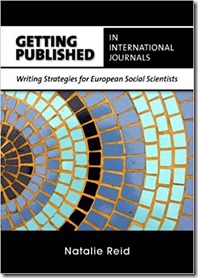
writing with power Bird by bird big magicwrite to the top  natalie reid  artist way 

Este último año me ha demostrado que de veras hay que tener cuidado con lo que se desea, por eso de que se puede terminar consiguiendo. Empecé el doctorado con toda la seguridad del mundo, creyendo que mi pasión por la escritura iba a ayudarme a publicar miles de artículos e iba a hacer de la redacción del manuscrito final un paseo por las nubes. Y como muchos que sueñan con ser escritores – y vivir de eso – yo también idealizaba no tener nada más en mi agenda que escribir. Después de un año y tres meses de llevar esa vida, he cambiado completamente de opinión.


This last year has showed me that you really have to be careful with what you wish for, for you might get it. I started my Ph.D. with all the confidence in the world, thinking that my passion for writing would help me publish a thousand papers and would make writing the final manuscript a breeze. And like many people who dream of becoming writers – and make a living out of it – I also idealized not having anything else in my agenda but writing. After a year and three months of living that way, I have completely changed my mind.